.svg)

Safer Homes for Aging Parents 🏡
Thoughtful upgrades that make everyday life safer and easier while keeping their home comfortable, familiar and completely theirs.
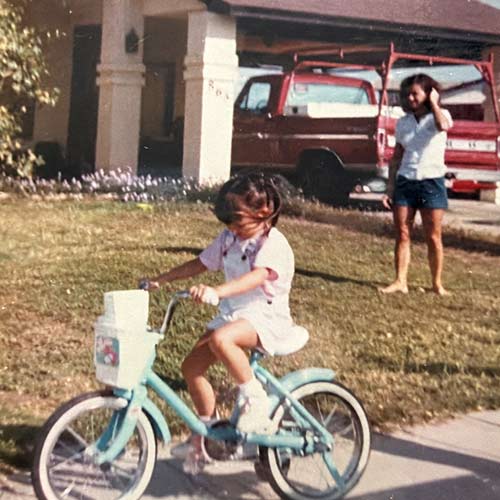
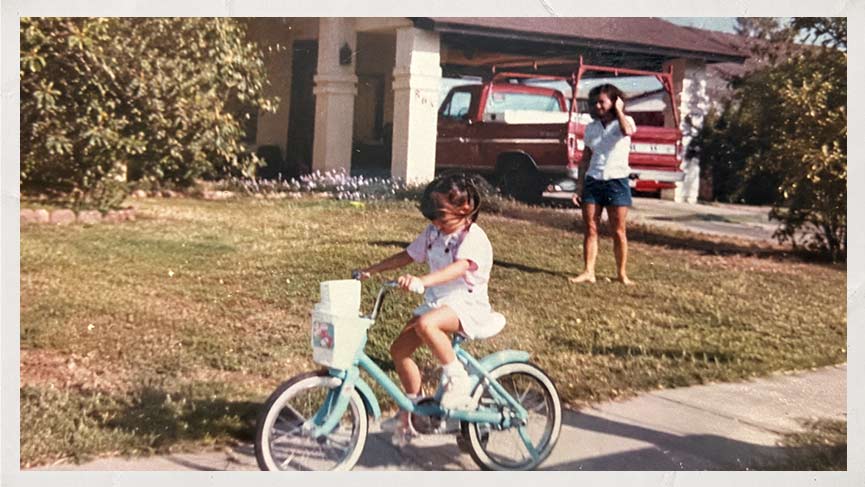
📸 WHY THIS PHOTO?
Real families. Real memories. Real life.
Life starts with a woven basket and training wheels, and as we age...well, we could also use training wheels and a basket.
— Crystal, Brand Manager
😂 LAUGH LINE
Nothing activates your inner safety inspector quite like watching Dad climb onto a dining chair because the batteries are “right up there.”
🥬 LETTUCE EXPLAIN: SMALL CHANGES CAN HELP AGING PARENTS STAY INDEPENDENT
The aging-parent safety conversation has a branding problem.
Say “home safety equipment,” and everyone pictures grab bars, alarms, blue grippy socks, and a decorative jar of cotton balls.
You see a safer house. Dad may hear, “You don’t think I can handle my own home anymore.”
That is why the best aging-in-place changes do more than reduce risk. They preserve control.
And a safer home does not have to look clinical. Often, it looks almost exactly the same, only easier to move through and easier to live in.
Better lighting. A grab bar that matches. Everyday items moved within reach. A simple way to call for help.
Because the best aging-in-place tool is not the fanciest gadget. It is the one that removes one risky reach, one dark hallway, or one unnecessary obstacle while helping Mom or Dad keep doing life their way.
Falls are the leading cause of injury among adults ages 65 and older, and more than 14 million older adults, about one in four, report falling each year. The encouraging part is that falls are not simply an unavoidable part of getting older. Small, practical changes can reduce risk without wrapping the house in bubble wrap.
YOU MAY BE NOTICING
- Dad is still using the dining chair as a ladder.
- Mom turns on her phone flashlight to walk to the bathroom at night.
- That flipped-up rug corner is just waiting to take someone down.
- Everyone agrees a grab bar is a good idea. Nobody has actually installed one.
- Everyday dishes are stored approximately three inches below the ceiling.
- The phone is always nearby, unless someone actually needs it.
And this, my friends, is the Sandwich Generation: tracking your college kid on Life360 while tracking down every trip hazard in Mom’s hallway.
If you’re reading that list thinking, “Yep, that is mostly us,” the answer is not to order every safety gadget on the internet. It is to find the one everyday task that has become harder or riskier and make that one thing easier.
🔧GENSANDO TOOL: LIGHT. GRIP. REACH. CALL.
Our free Light. Grip. Reach. Call. download puts the entire walk-through on one printable page.
Walk through the house together. Let Mom or Dad tell you what feels harder than it used to, then choose one small change to make first.
Because safer does not have to mean less independent. Protecting independence is the whole point.
Once you know what would help, look for upgrades that add safety without sacrificing style.
SMALL UPGRADES THAT MAKE A REAL DIFFERENCE
The question isn’t “What safety products should we buy?” It’s “What everyday thing has become harder?” Start there.
If reaching has become riskier → Cordless shades open and close with a gentle push or pull, without the tugging, stretching, or climbing.
EXPLORE BALI CORDLESS CELLULAR SHADES
If the bathroom needs more support → Delta builds extra stability into towel bars, corner shelves, and other accessories that already belong there.
EXPLORE DELTA DÉCOR ASSIST™ OPTIONS
If nighttime is the problem → Rechargeable motion-sensor lights brighten dark pathways automatically without depending on a nearby outlet.
EXPLORE VOLIVO MOTION-SENSOR LIGHTS
If getting help after a fall is the worry → An Apple Watch can detect certain hard falls and may contact emergency services and designated emergency contacts if the wearer remains unresponsive. Consider it a Rolex with responsibilities: polished enough to show off and smart enough to call for help.
EXPLORE APPLE WATCH SAFETY FEATURES
🛒 THE REST OF THE SAFETY SHORTLIST
A few more simple solutions for everyday problems:
- If bending or stretching has become risky → RMS Long Grabber Reacher
- If everyday items require climbing → Move them down one shelf. Our top-rated $0 upgrade.
- If hands-free calling would help → Amazon Echo Pop
- If the phone is never where it is needed → Lamicall Adjustable Phone Stand
Calling features vary and require setup. A smart speaker should not replace a dedicated emergency-response option when one is needed.
And if you're realizing the bigger challenge isn't finding the right grab bar, it's getting Mom or Dad excited about any of this, we found someone worth knowing.
⭐ WOW PICK: BOOM
In BOOM: The Baby Boomers’ Guide to Preserving Your Freedom and Thriving as You Age in Place, award-winning senior-living designer Lisa Cini shares design ideas and easy-to-use technology that can help people remain comfortable, independent, and excited about their homes.
It turns “We need to make your house safer” into “Let’s make your house work even better for you.”
ADD YOUR VOICE
Which small change would your parent be most likely to agree to first?
TAP YOUR ANSWER 👆🏼
Your answers help shape future GenSando stories, tools, and resources.
📼 VHS VIBES
THE CLAPPER
Long before Alexa could call your daughter, The Clapper was already teaching us something:
sometimes independence starts with not having to cross the room.
Clap on. Clap off. Honestly? AgeTech had to start somewhere.
WATCH THE CLAPPER THROWBACK 👆🏼

Who can help assess my parent’s home if I’m not sure what to look for?
An occupational therapist can observe how your parent moves through everyday tasks and recommend changes based on their specific abilities. A Certified Aging-in-Place Specialist can help translate those needs into practical home updates. This can be especially helpful when the answer is not obvious or when your parent would prefer to hear it from someone else. 😆
How often should we revisit home safety?
Take another look after a fall, hospitalization, new diagnosis, or noticeable change in vision, strength, balance, or mobility. Otherwise, a simple yearly walk-through can catch small problems before they become urgent ones.
Of course, making Mom's house safer rarely stays a house project. Pretty soon siblings are discussing money, someone is missing work, you're hunting for the medication list, and your spouse would like to discuss literally anything else.
Family CFO: How should siblings divide the cost of helping a parent?
Fair does not always mean equal. One sibling may contribute more financially while another handles appointments, research, or projects around the house. Start with an honest conversation about what is needed, what your parent can cover, and what each person can realistically contribute.
Midlife Mogul: How do I pursue my career goals without giving every weekend to caregiving?
Decide which caregiving responsibilities truly require you and which can be outsourced. Then reserve part of the weekend for your own professional growth before every available hour gets volunteered on your behalf. You can support your parent without placing your own future permanently on hold.
Family IT: What information should everyone be able to find quickly?
Keep emergency contacts, medication information, preferred doctors, insurance details, and important household instructions in one secure, shared location.
Midlife Marriage: How do we keep caregiving from becoming the only thing we talk about?
Set aside a specific time to discuss appointments, concerns, and family logistics, and then give yourselves permission to close the caregiving department for the evening. Talk about something else. Go somewhere that does not have a pharmacy drive-through. Your marriage needs time when neither of you is acting as the family project manager.
If today's one small fix turns into a bigger family project, here's where we'd go next...
.png)
- Home Safety for Aging Parents: How to Prevent Falls and Hidden Hazards — GenSando
- Aging Parents and Road Trips: When Family Travel Changes — GenSando
- Preventing Falls at Home: Room by Room — National Institute on Aging
- Holding a Family Meeting — Family Caregiver Alliance
- Managing Someone Else’s Money — Consumer Financial Protection Bureau
- Taking Care of YOU: Self-Care for Family Caregivers — Family Caregiver Alliance
POLICY BITES FOR FAMILY CAREGIVERS
Because sometimes the difference between staying safely at home and needing more care isn't another gadget. It's whether affordable help exists when a family needs it.
Housing, in-home support, direct-care workers, and local aging programs all help older adults remain safely at home. Stay informed and be part of the conversation about the policies and resources shaping how we age.
- Ways You Can Be an Advocate With AARP — AARP
- Fair Wages for Home Care Workers Act — National Domestic Workers Alliance
- National Caregiver Help Desk — Caregiver Action Network
- 2026 Policy Agenda — National Alliance for Caregiving
- Advocacy Alerts — USAging
FROM OUR SANDWICH TO YOURS
Thank you to the GenSando community members, experts, and partners helping us build practical resources for the Sandwich Generation.
We see you. We get you. And we are right here with practical tools, trusted resources, real stories, and the occasional reminder that a dining chair is not a ladder.
Have a story, partnership idea, or guest article?
Contact Nick Papadopoulos at team@gensando.com 📧
Know someone quietly turning into their parents’ unpaid home-safety inspector? Pass this along.
One small fix may be all it takes to make everyday life a little easier.
SOURCES AND RECEIPTS
- Older Adult Falls Data — Centers for Disease Control and Prevention; updated September 4, 2026
- Patient & Caregiver Resources: STEADI — Centers for Disease Control and Prevention
- Preventing Falls at Home: Room by Room — National Institute on Aging
- Use Fall Detection With Apple Watch — Apple
- Smart Guide to Aging in Place — AARP
Safety note on suggested products: Choose products appropriate for the person and home, follow manufacturer instructions, and consider professional installation for weight-bearing upgrades. Décor Assist™ products are not ADA-compliant grab bars. Apple Watch Fall Detection must be enabled, cannot detect every fall, and does not replace a dedicated emergency-response system.
♥️LIFE LINE
Helping someone stay safe does not have to mean taking away the independence you are trying to protect.
LOOK AT YOU, READING TO THE BOTTOM.

You’re our favorite. Don’t tell the others.
When you need to step back and look at everything you’re carrying, our free 10-Minute Sandwich Generation Reset Guide can help. Use it to sort what needs your attention, what someone else can handle, and what can wait.
TOPICS COVERED
Aging-in-place tools, fall prevention for older adults, aging-parent home safety, cordless shades, supportive bathroom accessories, motion lighting, Apple Watch Fall Detection, home modifications, and caregiver home safety.
Spotlight





SUBSCRIBE TO
GenSando
Delivered weekly.