.svg)

Home Safety for Aging Parents: How to Prevent Falls and Hidden Hazards
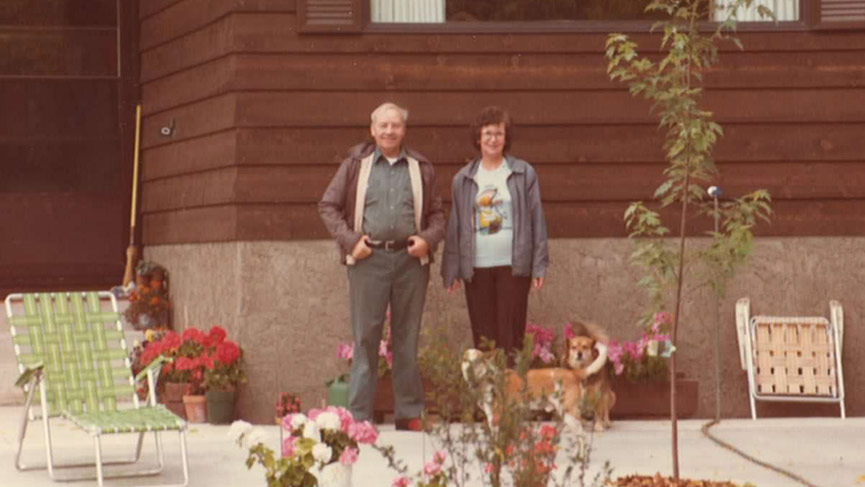
Risky Business: Loose rugs, dim hallways and everyday hazards hiding in plain sight.
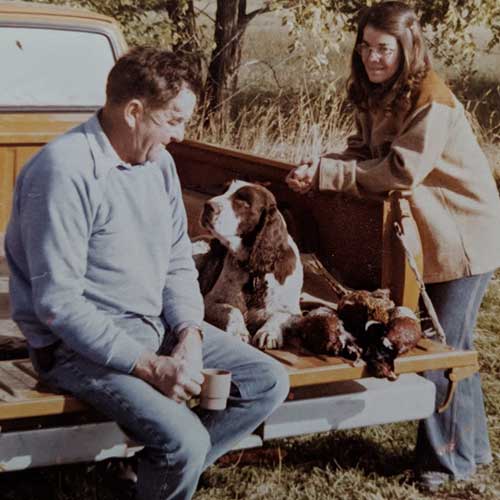
This is a photo of my grandparents. My grandfather was a war veteran, my grandmother a writer. I look at them here, healthy, happy, and full of life. Strange to even think about how, as the people we love get older, our worries begin to shift to their safety.
Grandpa and Grama, I love you and miss you always.
— Kim
📸 WHY THIS PHOTO?
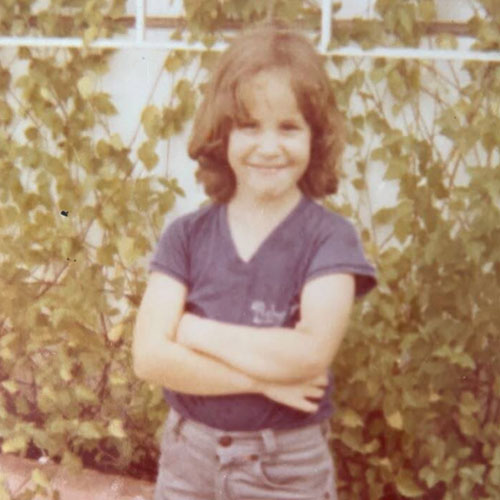
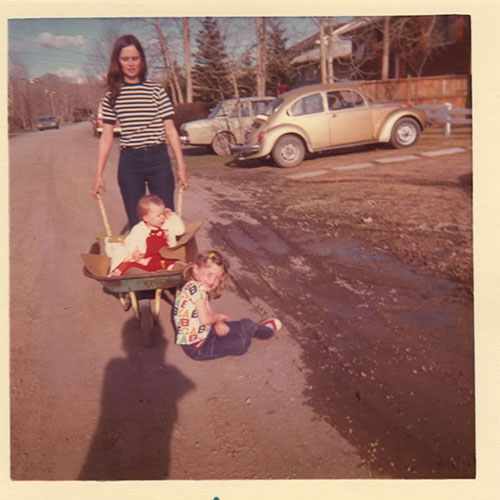
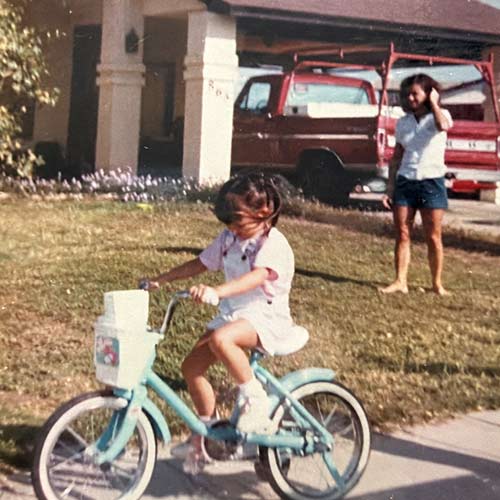
These are our families, our memories, and the people who shaped us. At GenSando, we’d rather share something real than another stock photo, because these are the real people behind the stories we tell.
LAUGH LINE
Tom Cruise made sliding across the floor in socks look cool. Your dad should not attempt the remake.
LIFE LINE
Noticing a risk is not taking over. It is helping someone stay independent longer.
🥬 LETTUCE EXPLAIN: WHAT HOME SAFETY RISKS SHOULD FAMILIES LOOK FOR?
In 1983, Tom Cruise slid across a hard floor in his socks and made the whole thing look extremely manageable. In midlife, watching someone walk across a hard floor in socks creates a very different reaction. Suddenly, you are looking at the slick floor, the sharp corner of the coffee table and the dog asleep in the walkway.
Welcome to the house’s Risky Business era.
Falls are the leading cause of injury for adults age 65 and older. More than 14 million older adults, about one in four, report falling each year, but many falls can be prevented.
The biggest hazards are not always dramatic. The low couch that used to feel comfortable may now be difficult to get up from. The front steps may need a sturdy railing. The hallway may be too dim. The good dishes may be stored on a shelf that requires a chair, determination, and several poor choices.
Changes in strength, balance, vision, hearing, mobility, footwear, medications, or the home itself can increase the risk of falls and other injuries.
The goal is not to pad every surface and confiscate the step stool. It is to notice patterns and make practical changes before one risky moment becomes a major life event.
YOU MAY BE NOTICING: SIGNS IT'S TIME FOR A HOME SAFETY CHECK
- A hand reaching for walls, counters, or furniture while walking
- New bruises, stumbles, or near-falls
- More effort getting out of a chair, bed, shower, or car
- Avoidance of stairs, bathing, certain rooms, or nighttime trips to the bathroom
- Shoes, slippers, or socks that slide, drag, or do not provide enough support
- Clutter, cords, pet supplies, or furniture narrowing the usual walking path
- Frequently used items stored too high or too low
- Dim rooms due to difficulty replacing bulbs or reaching light switches
And this, my friends, is the Sandwich Generation: removing trip hazards at your parents’ house while stepping over three backpacks, a Stanley cup and one athletic shoe in your own hallway.
🔧GENSANDO TOOL: TAKE THE RISKY BUSINESS HOME TOUR
1. Start at the Front Door
Look at the route from the driveway or sidewalk into the house.
Pay attention to how the space actually works for your parent, not just how it looks.
Check for:
- Uneven pavement or loose stones.
- Cracked steps.
- Wobbly railings.
- Poor lighting.
- Slippery leaves or standing water.
- Packages, hoses, planters, or decorations blocking the path.
- A threshold that is difficult to step over.
Ask your parent to walk the route while you watch. You may notice them slowing down, turning sideways, reaching for the doorframe, or struggling to manage keys and balance at the same time.
2. Watch the Walkways
Loose rugs, electrical cords, low furniture, clutter, pet toys, and narrow pathways can create trip hazards.
The National Institute on Aging recommends removing area rugs or securing carpets, keeping walkways clear, and improving lighting throughout the home.
Look for the path your parent actually uses, not the path the room was designed around.
Does someone squeeze between the recliner and coffee table every evening? Is the walker parked across the hallway? Does the dog’s water bowl live directly along the route to the bathroom?
3. Check the Bathroom: One of the Biggest Fall-Risk Zones
Bathrooms combine water, hard surfaces, tight spaces, and movements that require balance.
Look for:
- No grab bar near the toilet, tub, or shower.
- A towel rack being used for support.
- A slippery tub or shower floor.
- A loose bathmat.
- Difficulty stepping over the side of the tub.
- Trouble lowering onto or rising from the toilet.
- Personal-care products stored on the floor or out of reach.
- A shower that is avoided because standing feels tiring or unsteady.
The NIA recommends securely installed grab bars near toilets and inside and outside tubs or showers, along with nonskid mats or strips on surfaces that may become wet.
Depending on the person’s needs, a shower chair, handheld showerhead, toilet safety frame, or professional bathroom modification may help.
4. Check the Bedroom-to-Bathroom Route
Many homes look perfectly safe at 2:00 p.m. and become an obstacle course at 2:00 a.m.
Walk the nighttime route and check for:
- Poor lighting.
- Shoes, blankets, charging cords, or pet beds on the floor.
- A bed that is too high or too low.
- No stable surface nearby when standing.
- A long distance between the bed and the bathroom.
- A phone or call device that cannot be reached from bed.
- Furniture with sharp corners along the path.
Motion-activated night-lights can illuminate hallways and pathways without requiring someone to find a switch in the dark.
One caution: do not assume a portable bed rail automatically makes a bed safer. The FDA warns that adult bed rails can create entrapment and fall hazards when they are incompatible with the mattress or bed, improperly installed, or inappropriate for the person’s physical or cognitive needs. Before adding one, talk with a healthcare professional or occupational therapist about whether it is appropriate and make sure the product is compatible with the bed and mattress.
5. Kitchen Safety: Look Up—and Down—in the Kitchen
Frequently used items should be easy to reach without bending deeply, stretching overhead, or climbing.
Watch for:
- Heavy pots stored too high.
- Daily dishes on the lowest shelf.
- Step stools that wobble.
- Chairs being used as ladders.
- Spills that are not noticed or cleaned promptly.
- Poor lighting over preparation areas.
- Rugs that curl near the sink.
- Difficulty carrying hot food while using a cane or walker.
Move everyday items between waist and shoulder height whenever possible. A lightweight reacher may also help with small, lightweight objects, but it should not be used to lift heavy cookware or retrieve something that could fall onto the person.
6. Do Not Skip the Stairs
The NIA recommends sturdy handrails on both sides of stairways, good lighting at the top and bottom, and steps kept clear of objects.
Look for:
- Missing or loose railings.
- Items waiting to be carried upstairs.
- Worn or slippery treads.
- Similar-colored flooring that makes step edges difficult to distinguish.
- A light switch available at only one end.
- Reading glasses, laundry baskets, pets, or other obstacles limiting visibility.
Nonslip tread material or contrasting edge tape may improve traction and visibility, but it must be applied securely so it does not become the newest trip hazard in the house.
NOTICE THE PERSON, NOT THE HOUSE
Sometimes the safety problem isn’t the house. Changes in balance, strength, vision, mobility, or health can increase fall risk, too.
Talk with a healthcare professional if your parent:
- Starts shuffling, dragging a foot, or walking differently.
- Has dizziness, weakness, numbness, vision changes, or frequent near-falls.
- Struggles to rise from a chair.
- Seems unusually sleepy, confused, or unsteady.
Falls, balance changes, medications, vision, hearing, and footwear are all worth discussing with a healthcare professional. Strength and balance exercises may also help when appropriate.
Sudden changes, head injuries, fainting, chest pain, stroke symptoms, severe pain, or inability to bear weight need prompt medical attention.
🥪 FEEL SEEN?
Start small. Fix one risk, make one change, and keep the conversation going. You got this 💙
Follow GenSando on Instagram and Facebook, then TAKE OUR SLICE OF LIFE SURVEY👆🏼
FEELING OVERWHELMED? START HERE.
Home safety may be just one thing on your ever-growing list. Aging parents, kids, work, appointments, finances, and somehow everything else, may be on it, too.
Our free 10-Minute Sandwich Generation Reset Guide helps you sort through what needs your attention, what someone else can handle, and what can wait.
GET THE FREE 10-MINUTE RESET GUIDE 👆🏼
KEEP AN EYE ON HOME CARE POLICY
Making the house safer can help an aging parent stay independent longer. But home modifications are only one piece of aging in place.
As needs change, many families eventually need another kind of support: people.
The Bureau of Labor Statistics projects about 765,800 openings for home health and personal care aides each year from 2024 to 2034. Demand is growing as more older adults need care and more long-term services shift into homes and communities.
That means the future of America's home-care workforce isn't just a labor issue.
It's a Sandwich Generation issue.
See more links in POLICY BITES below.

Decision Fatigue: Can routines actually help with decision fatigue?
Yes. Routines take some of the repeat decisions off your plate, like when you work out, what night you order takeout, or when you handle bills and paperwork. The American Medical Association also recommends routines and planning ahead as ways to manage decision fatigue.
Decision Fatigue: How do I know which decisions actually deserve my energy?
Ask yourself: Does this decision really matter a week from now? If the answer is no, give it a time limit, choose a “good enough” option, or let someone else decide. Save your energy for decisions that affect your health, family, finances, work, or other things that truly need your attention.
Family CFO: When should I start talking to my parents about their finances?
Before there is a crisis. It helps to know where important accounts and documents are kept, how bills are paid, and who has authority to help if needed. The Consumer Financial Protection Bureau has guides specifically for families planning for financial caregiving.
Midlife Mogul: How do I know if I need a career change or just a break?
Before making a major move, look at what is actually draining you. Is it the work itself, the schedule, the company, the commute, or trying to do your job while also managing kids, parents, and everything else? Sometimes the answer is a new career. Sometimes it is changing the way the current one fits into your life.
Family IT: What family technology tasks should I automate?
Start with the repeat stuff: calendar reminders, recurring payments, prescription reminders, shared grocery lists, family calendars, and automatic backups. Technology is most helpful when it quietly removes something from your brain instead of becoming one more app you have to remember how to use.
Midlife Health: Is brain fog in midlife normal?
Changes in concentration, memory, and word-finding can occur during perimenopause and menopause, along with sleep and mood changes. But do not automatically blame every cognitive change on hormones. If symptoms are new, persistent, worsening, or interfering with daily life, talk with a healthcare professional.
ADD YOUR VOICE
Your answers help shape future GenSando stories, tools, and resources.
📼 VHS VIBES
“I’ve fallen and I can’t get up!” We may have giggled at that line back in the day, but it sure hits differently now. As we help our own parents age safely at home, we’re pretty grateful for the safety systems that can be there when we can’t.
Watch the Original Life Call Commercial
.png)
- Dad Could Fix Anything. Except Getting Older. (GenSando)
- Returning to Ourselves Through the Midlife Caregiving Journey (GenSando Guest Author: Kim Richards, Caring for Mama)
- Aging in Place: Growing Older at Home (National Institute on Aging)
- Driving Safely While Aging Gracefully (National Highway Traffic Safety
- Managing Someone Else’s Money (Consumer Financial Protection Bureau)
- The Invisible System: Managing Everything, All at Once (GenSando)
⭐ WOW PICK: Smart-Home Devices for Aging in Place
Home safety has gotten a serious upgrade. Wirecutter does the product homework and recommends smart-home tools that can make everyday life safer and easier as parents age.
Wirecutter: The Best Tech Gear to Help Aging in Place
POLICY BITES
These resources can help families follow caregiver policy, find support, and speak up for the help they need.
- AARP: Family Caregiver Support and Advocacy
- NDWA: Fair Wages for Home Care Workers Act
- Caregiver Action Network: National Caregiver Help Desk
- National Alliance for Caregiving: Advocacy & Policy
- USAging: Advocacy Alerts
WE’RE GRATEFUL!
Thank you to the GenSando community members, experts, and partners helping us build practical resources for the Sandwich Generation.
Have a story, partnership idea, or guest article? Contact Nick Papadopoulos at team@gensando.com 📧

FULL MENU. EXTRA SAUCE.
We see you.
We get you.
And we’re right here with you.
Real stories. Practical tools. Trusted resources. Community support. And a few laughs when you need them most.
GenSando helps people navigate caregiving, aging, parenting, work, finances, hormonal chaos, family boundaries, technology, marriage, and everything else midlife likes to throw at us.
SOURCES & RECEIPTS
- Centers for Disease Control and Prevention: Older Adult Falls Data
- Centers for Disease Control and Prevention: STEADI Patient & Caregiver Resources
- National Institute on Aging: Preventing Falls at Home: Room by Room
- National Institute on Aging: Home Safety Tips for Older Adults
- National Institute on Aging: Six Tips to Help Prevent Falls
- AARP: HomeFit Guide and Worksheets
- U.S. Food and Drug Administration: Adult Portable Bed-Rail Safety
TOPICS COVERED
Home safety for aging parents, fall prevention for older adults, aging in place, bathroom safety, stair safety, mobility changes, grab bars, shower chairs, nighttime safety, occupational therapy, caregiver support, and Sandwich Generation responsibilities.
Spotlight






SUBSCRIBE TO
GenSando
Delivered weekly.