.svg)

Midlife, But Make it Crunchy
What really helps during menopause—from nutrition and movement to supplements and treatment.
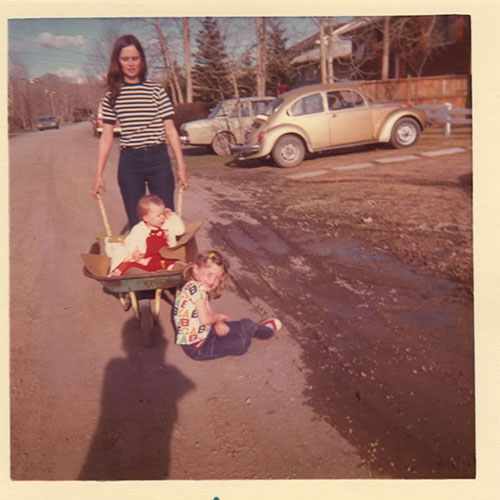
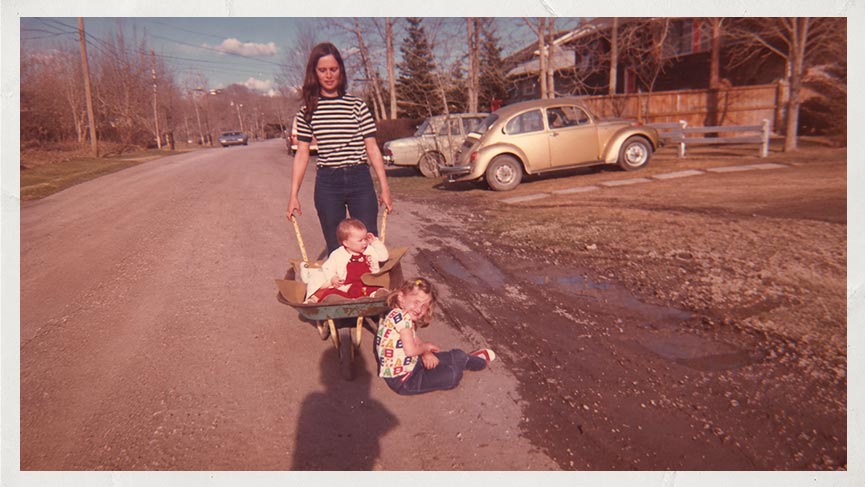
📸 WHY THIS PHOTO?
Real families. Real memories. Real life.
My mom, Cheryl, back when parenting involved size 00 jeans, two kids, one wheelbarrow, and absolutely no safety manual. Today, she lives on Skittles, chips, and Chardonnay. “Crunchy” may be a stretch, but the photo is adorable.
— Kim, Brand Strategist
😂 LAUGH LINE
You bought the flaxseed and magnesium. But can they actually help, or are we just sprinkling chia seeds on a hot flash and hoping our hormones are impressed by our commitment to Greek yogurt? Let’s investigate.
THE QUICK ANSWER
Can the way you eat or specific foods make a difference during menopause?
Yes, but it depends on the goal. A balanced eating pattern supports heart, bone, muscle, and overall health, while some foods and dietary changes may help with individual symptoms. There’s no single “menopause diet” or miracle food.
What about all those menopause supplements, do any of them actually work?
Some can help with specific nutritional needs, but when it comes to supplements and herbal remedies marketed for hot flashes, night sweats, and other menopause symptoms, the evidence is often limited or inconsistent.
Can exercise actually help with menopause or is it just good for you in general?
Both, but it depends on what you’re trying to improve. Resistance and weight-bearing exercise are especially valuable during midlife for maintaining muscle, strength, balance, and bone health.
And what if I’m doing all the “right” things and still feel terrible?
You don’t have to white-knuckle your way through menopause. Evidence-based hormonal and nonhormonal treatments are available when symptoms are disrupting your life.
THE BIG TAKEAWAY
Crunchy can be great for you. It just can’t fix everything. Nutrition, movement, and sleep can support your health and may help with some symptoms. But menopause isn't a one-tool job. Here's what the crunchy route can actually do, where the evidence gets shaky, and when it's time to bring in more help.
🥬 LETTUCE EXPLAIN: WHEN YOU WANT TO TRY THE CRUNCHY ROUTE
Maybe hormone therapy isn't right for you. Maybe you can't take it. Maybe you want to begin with nutrition, movement, and lifestyle changes before considering a prescription.
Those choices can do a lot for your health and may help with some symptoms. Supplements can also fill specific nutritional gaps. But when it comes to many herbal remedies marketed for menopause symptoms, the evidence gets a lot thinner.
So instead of asking, “What should I take?” start here: What am I trying to improve, and what does the evidence say actually works?
FIRST, NAME THE JOB
What are you actually trying to accomplish?
🔥 Reduce hot flashes or night sweats?
😴 Improve sleep?
💪 Preserve bone or muscle?
❤️ Support heart health?
🌸 Relieve vaginal or urinary symptoms?
🧪 Correct a nutritional deficiency?
Because menopause doesn’t have one problem and it definitely doesn’t have one magic fix.
Strength training, soy, and calcium can support your health, but they may not stop the 3:07 a.m. internal furnace. A supplement may correct a nutritional deficiency without doing a thing for your night sweats.
Hormone therapy remains the most effective treatment for hot flashes and night sweats, but it isn’t right for everyone, and it isn’t the only tool in the menopause toolbox.
That’s the point: different problems need different tools. Nutrition, movement, sleep, supplements, and treatment all have a role. The trick is matching the tool to the job instead of throwing the entire wellness aisle at your hormones.
Name the problem. Check the evidence. Then choose the tool that actually fits the job.
BUILD A MIDLIFE PLATE
There is no official “menopause diet.” There is a way of eating that supports the systems affected by changing hormones. Think less miracle ingredients and more consistent nourishment.
PUT PROTEIN ON THE PLATE
Muscle becomes harder to maintain with age, so aim to include protein throughout the day.
Choose foods you actually enjoy: eggs, fish, poultry, Greek yogurt, cottage cheese, beans, lentils, tofu, tempeh, nuts, or seeds. Protein powder can also be a convenient option.
FEED YOUR BONES
Declining estrogen accelerates bone loss. Calcium-rich foods include milk, yogurt, cheese, fortified plant milks, canned fish with bones, calcium-set tofu, and some leafy greens.
Vitamin D helps your body absorb calcium. Some people may need supplementation based on diet, sun exposure, age, blood levels, or clinician guidance. More is not automatically better.
MAKE ROOM FOR FIBER
Beans, berries, vegetables, whole grains, nuts, and seeds all support digestive and cardiovascular health. And yes, flaxseed belongs here. It provides fiber and healthy fats, even if it cannot solve every menopause symptom.
CONSIDER WHOLE SOY FOODS
Tofu, tempeh, edamame, and soy milk provide protein and naturally occurring isoflavones.
Soy foods are nutritious protein sources. Research on hot-flash relief is mixed, so treat any symptom benefit as a possibility, not a promise.
CHOOSE HEART-HEALTHY FATS
Olive oil, nuts, seeds, avocado, and fatty fish can support a heart-healthy eating pattern.
Midlife is also a good time to pay attention to blood pressure, cholesterol, blood sugar, and family history.
NOTICE YOUR TRIGGERS
Alcohol, caffeine, spicy foods, and large meals are on the short list of common triggers that can worsen hot flashes, reflux, or sleep problems for some people. Instead of banning everything joyful, notice and track what actually happens in your body. If one glass of wine turns bedtime into a tropical weather event, that’s useful information. If it doesn’t? That’s useful information, too. No need to break up with Chardonnay.
🧾 THE SUPPLEMENT AISLE: PROCEED WITH RECEIPTS
Good nutrition builds a strong foundation. But then there’s the supplement aisle. A very expensive place full of very confident promises.
Supplements can absolutely have a role, especially when they’re filling a specific nutritional gap. The trouble starts when:
“may support”
quietly becomes:
“will rebalance all your hormones by Thursday.”
THESE SUPPLEMENTS HAVE A SPECIFIC JOB
- Calcium: Can help fill a gap when you’re not getting enough through food. Count food first.
- Vitamin D: May be appropriate when intake or blood levels are low, or when a clinician recommends it to support bone health.
- Vitamin B12: May matter if your intake is low, you have trouble absorbing it, or you take medications that can affect B12 levels.
- Iron: Heavy perimenopausal bleeding can contribute to iron deficiency. If you’re dealing with heavy bleeding, fatigue, weakness, dizziness, or shortness of breath, ask about testing rather than automatically reaching for an iron supplement.
The common thread? These supplements have a job. They can address a nutritional need, but that doesn’t make them treatments for menopause itself.
THESE NEED BETTER RECEIPTS
Black cohosh, red clover, flaxseed supplements, evening primrose, maca, DHEA, and “hormone balance” blends are easy to find. Convincing evidence that they’ll tame your hot flashes? Much harder to come by.
Research is limited or inconsistent, and The Menopause Society does not recommend supplements or herbal remedies as proven treatments for hot flashes and night sweats.
Black cohosh deserves extra caution: benefits remain uncertain, products can vary, and rare cases of serious liver injury have been reported. DHEA is a hormone precursor, not simply another herb, and may carry risks.
And perhaps the most important label in the supplement aisle is the one nobody puts on the front of the bottle:
JUST BECAUSE IT’S “NATURAL” DOESN’T MEAN IT’S NEUTRAL
Supplements can interact with medications and health conditions, and the FDA does not review them for effectiveness before they’re sold. “Natural” isn’t a free pass. If something can affect your body, it’s worth knowing what it does, whether you need it, and what else it might affect.
So how do you try something new without becoming a one-woman clinical trial?
🔧 GENSANDO TOOL
Trying magnesium? Adding more protein? Cutting back on caffeine? Testing a new sleep routine?
Our free Crunchy Experiment Tracker helps you try one change at a time and notice what actually happens.
For two weeks, track: sleep, hot flashes, mood, energy, side effects, or other changes.
Then decide whether to keep it, stop it, adjust it, or discuss it with your clinician or pharmacist.
Because “I think maybe it’s helping?” is difficult data to work with.
One change. Fourteen days. Better receipts.
THE CRUNCHY THINGS WORTH DOING ANYWAY
Not everything has to cure a hot flash to be worth doing. Resistance and weight-bearing exercise support muscle, strength, balance and bone. A cool bedroom, breathable bedding and a consistent routine may support sleep, while moisturizers, lubricants, and pelvic-floor therapy can help with vaginal and urinary symptoms. But if symptoms disrupt sleep, work or daily life, or you experience very heavy bleeding, bleeding after menopause or persistent discomfort, talk with a healthcare professional. Hormonal and nonhormonal treatments are available. Changing the plan doesn’t mean crunchy failed. It means you gathered information and adjusted.
Want help separating menopause facts from flaxseed folklore? Start here.
📚 WOW PICK: THE MENOPAUSE MANIFESTO
Dr. Jen Gunter separates menopause science from fear, shame, and very confident wellness claims.
It's a useful companion for understanding what's happening, which treatments have evidence, and why no woman should have to buy six mystery powders just to feel heard.
GET THE BOOK → The Menopause Manifesto
ADD YOUR VOICE
HOW ARE YOU GETTING THROUGH MENOPAUSE RIGHT NOW?
You tell us what you’re navigating. We’ll keep investigating what actually helps.
Now, stretch responsibly. We’re heading back to the ’80s.
📼 VHS VIBES
LET'S GET PHYSICAL
The 1980s had a questionable relationship with aerobics fashion, but it understood one thing:
Midlife bodies need to move.
WATCH OLIVIA NEWTON-JOHN'S “PHYSICAL” 👆🏼
The leg warmers can stay in the ’80s. Your other midlife questions? Let’s get into those.
💰 FAMILY CFO
How do I avoid spending a fortune on menopause products?
Begin with the symptom, not the shopping cart. Check the evidence. Compare costs with proven options. Ask whether insurance covers nutrition counseling or menopause care.
💼 MIDLIFE MOGUL
What if symptoms disrupt my workday?
Track the pattern. Dress in layers, keep water nearby, build in meeting breaks, and control the room temperature where possible.
Seek treatment when symptoms interfere with concentration, sleep or performance.
You need not build your career around pretending your internal temperature is normal.
📱 FAMILY IT
Can an app help me know whether something works?
Absolutely. A notes app or symptom tracker can help record hot flashes, sleep, mood, bleeding, triggers, and treatments.
The goal is useful patterns, not turning your body into a 24-hour analytics department.
❤️ MIDLIFE MARRIAGE
How do I explain that this is more than “being hot”?
Name the impact: “I’m waking four times a night, and it’s affecting my energy and patience.” Then make one specific ask: “Can you handle dinner tonight so I can rest?” Empathy is lovely. Dinner appearing without a single “What should we eat?” is lovelier.
Want to keep reading? Here are the sources behind the advice and a few more GenSando takes on the midlife juggling act.
.png)
MENOPAUSE & TREATMENT
Hormone Therapy for Menopause — ACOG
Hot Flashes — The Menopause Society
SUPPLEMENTS & COMPLEMENTARY HEALTH
Menopausal Symptoms: Complementary Health Approaches — NCCIH
Menopause — FDA Office of Women’s Health
BONE HEALTH & NUTRITION
Calcium — NIH Office of Dietary Supplements
Vitamin D — NIH Office of Dietary Supplements
MORE FROM GENSANDO
Caffeine Confessions: The Sandwich Generation’s Quest for Rest
From Double Shots to Dance Breaks: Creative Ways to Stay Energized
How to Keep Love and Sanity in the Sandwich Years
Before adding a supplement, know who checks the claims on the bottle.
POLICY BITES: WHO’S WATCHING THE SUPPLEMENT AISLE?
Dietary supplements are regulated differently from medicines. Manufacturers generally don’t have to prove a supplement works before selling it, so clear labels, safety reports and informed shoppers matter.
- Questions and Answers on Dietary Supplements — FDA
- Dietary Supplement Fact Sheets — NIH
- Report a Supplement Problem — FDA
♥️LIFE LINE
Eat the food. Lift the weights. Try the fan. Make the appointment.
You’re allowed to use every tool that helps.
NEW HERE? WELCOME TO THE SANDWICH
Menopause is one part of midlife. There are also kids, aging parents, work, money, relationships, and, somehow, dinner. That’s the Sandwich Generation, and it’s why GenSando exists.
GET PRACTICAL, FUNNY MIDLIFE HELP IN YOUR INBOX 👆🏼
Already one of us? Our free 10-Minute Sandwich Generation Reset Guide helps you sort what needs you, what someone else can handle, and what can wait.
GET THE FREE 10-MINUTE RESET 👆🏼
FROM OUR SANDWICH TO YOURS
Thank you to the GenSando community members, experts, and partners helping us build practical resources for the Sandwich Generation. And thank you for being here.
We're starting to hear more from readers about what works, what doesn't, and what you wish existed.
Keep telling us. We're listening and we're building from it.
Have a story, an idea, or a caregiving trick your family learned the hard way?
Tell us → team@gensando.com 📧
And if you know someone navigating menopause while caring for the whole family?
Send this their way.
This article is educational and is not a substitute for individualized medical advice. Supplements can cause side effects and interactions. Talk with a qualified healthcare professional before starting a supplement or changing treatment, especially if you have a history of cancer, liver disease, blood clots, abnormal bleeding, or another significant health concern.
SOURCES & RECEIPTS
MENOPAUSE TREATMENT
The Menopause Society — 2023 Nonhormone Therapy Position Statement
ACOG — Hormone Therapy for Menopause
SUPPLEMENTS & COMPLEMENTARY HEALTH
NCCIH — Menopausal Symptoms: In Depth
FDA — Menopause
NUTRITION & BONE HEALTH
NIH Office of Dietary Supplements — Calcium Fact Sheet
NIH Office of Dietary Supplements — Vitamin D Fact Sheet
ACOG — The Menopause Years
ACOG — Perimenopausal Bleeding and Bleeding After Menopause
FDA — Questions and Answers on Dietary Supplements
Spotlight





SUBSCRIBE TO
GenSando
Delivered weekly.