Who Gets the Coffee Scoop?
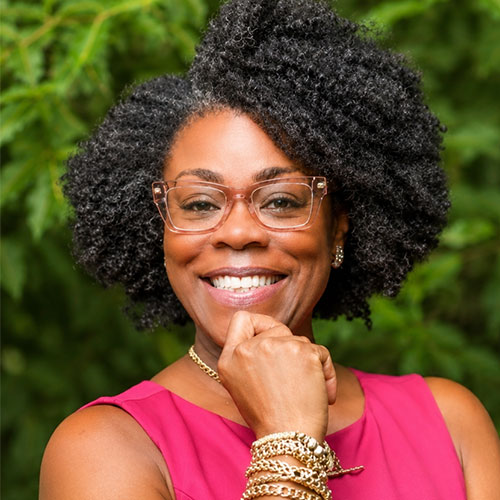
By Artemis Antippas and Amanda Fetter, Co-Founders, CEO & COO of Meli.
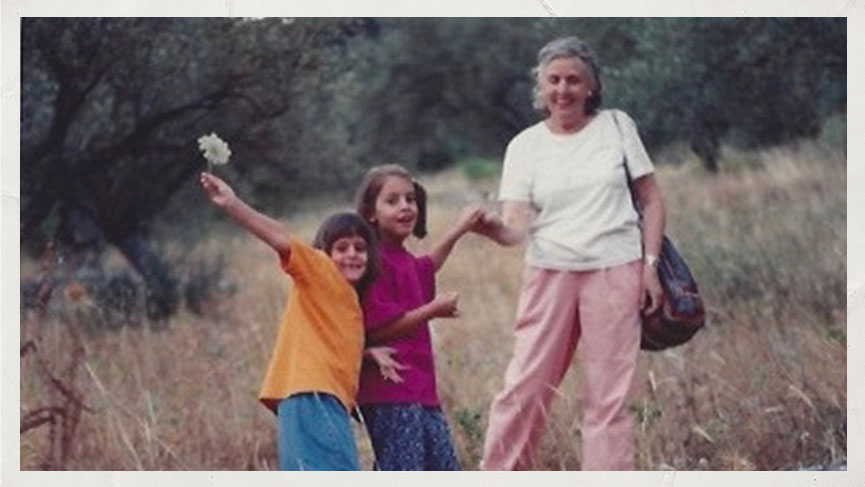
It started with my Yiayia
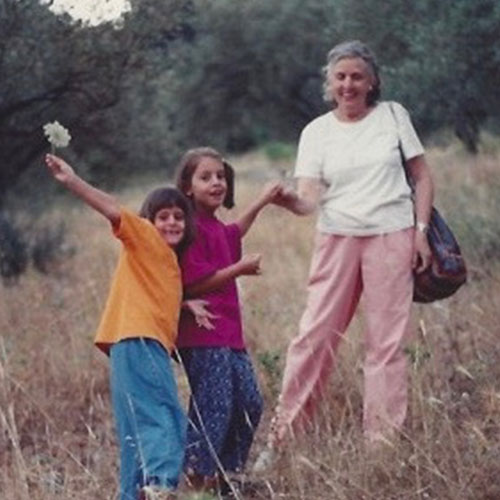
My Yiayia and I were as thick as thieves. We laughed and laughed when we were together. She always referred to me as her “angel.” As she got older, we would walk through her house, her arm wrapped in mine, while she told me the stories behind the things she had collected throughout her life and who she wanted to receive them someday.
A cousin should have the miniature sword toothpicks he always played with as a child. My sister should have the opal ring she always wore, since it’s her birthstone. Each object came with a story, a memory, and an intention.
I felt honored that she trusted me with these things. But I also understood, even then, that I was being entrusted with something bigger than a list of belongings.
I was the keeper of her wishes.
There was no formal place to record our conversations, connect a story to a particular object, or make sure the right person would eventually understand why it mattered. I had to rely on my memory, knowing that someday, I would have to communicate those wishes to the rest of my family without anything written down to support them.
Years later, that experience would inspire me to build Meli, a platform designed to give personal property a more intentional place in estate planning. But the idea didn't fully take shape until I told Amanda about my Yiayia and learned that she had experienced the other side of the same problem.
Amanda’s story
When Artemis told me about her Yiayia, I teared up.
So did she.
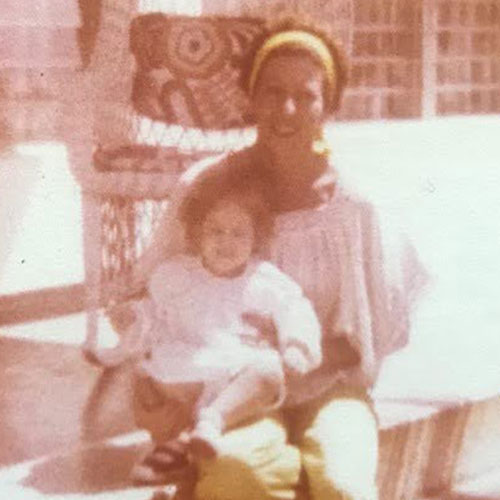
Then I started telling her about my own grandmother.
There are things in my house that belonged to her.
To anyone else, they’re just things. Some aren’t particularly valuable. Some probably wouldn’t survive a ruthless spring cleaning if it weren’t for being hers. But every time I see one of them taking up space in my own home, I remember.
I remember a story she told me. Something she used to say. The way her house smelled. A completely ordinary afternoon that, at the time, I had no reason to think I’d desperately want to remember someday.
That’s the strange thing about losing someone. You don’t only lose them once.
My grandmother has been gone for ten years now, and as more time passes, I can feel little pieces of her slipping farther away from me. Details get fuzzy. Stories I was once sure I’d never forget become harder to reconstruct. Sometimes an object is what brings a memory back.
Lately, I’ve started thinking about how much of her story now exists only in the memories of the people who knew her.
None of us wrote it down.
Immediately after my grandmother died, preserving stories was the last thing on our minds. There was a house full of belongings that had to be dealt with—a lifetime measured in trinkets.
I remember how wrong it felt to move anything at first. Her things were still where she had left them. Disturbing them felt like beginning the process of erasing her.
It’s such a tragedy that families are expected to make decisions about a lifetime of belongings during one of the worst possible moments to make them.
Who gets this? Does anyone want that? Did she ever say who she wanted to have it? What is this worth? Are we really ready to get rid of it?
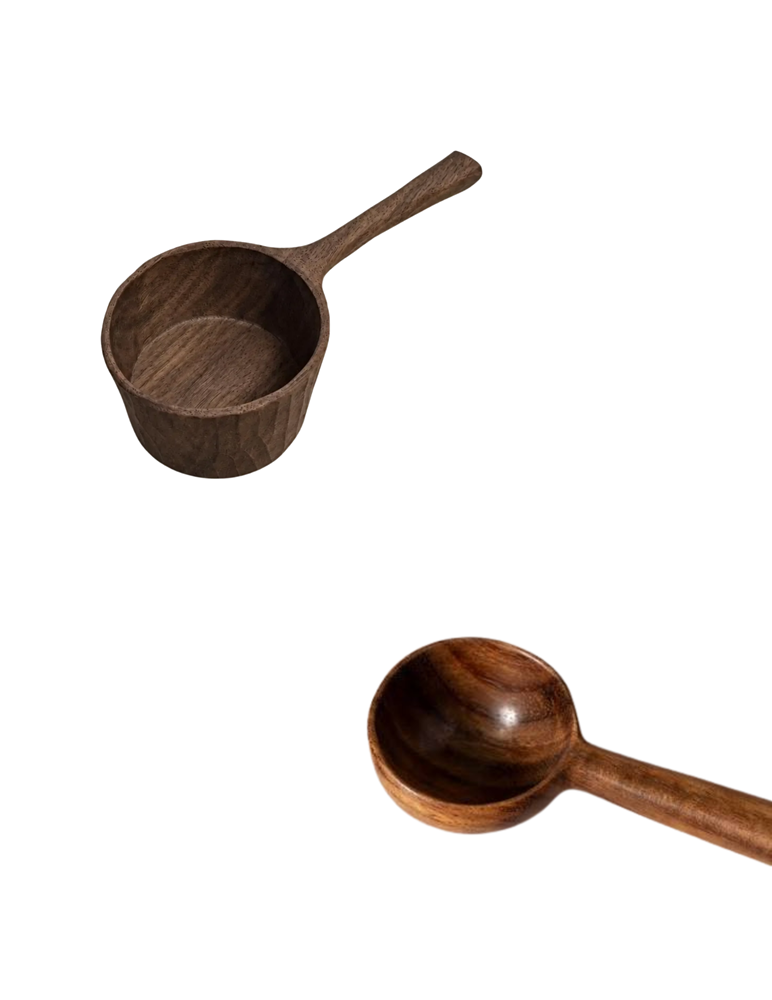
In my own family, there was an argument over a coffee scoop that probably cost five dollars.
Of all the things my grandmother owned, I doubt any of us would have predicted that a coffee scoop could become contentious. But it was never really about the coffee scoop.
It was about what that ordinary object meant to each one of us.
When I heard Artemis talk about her Yiayia, I recognized the other side of what I had experienced. I had been left with the belongings and the memories after my grandmother was gone, but no clarity on what to do with them. Artemis had been entrusted with her Yiayia’s wishes while she was still here to share them, but was left responsible for remembering and eventually communicating them.
We were coming at the same problem from opposite directions.
The things we leave behind
We tend to call them things or possessions, but those words hardly capture what they can hold: memories, relationships, history, and meaning accumulated over a lifetime.
Their financial value and emotional value can be entirely different. A piece of jewelry may be worth thousands of dollars, while a kitchen utensil may be worth almost nothing on paper. Yet the kitchen utensil may be the thing everyone fights to keep.
When the stories, wishes, and intentions attached to those belongings aren't documented, families are left to piece them together later.
That was the gap both of us had experienced.
We’ve digitized almost everything except this
We have digital tools for managing financial accounts, storing legal documents, and organizing increasingly complicated parts of our lives. Yet information about personal property is often scattered across spreadsheets, handwritten lists, and conversations.
An inventory can tell you what someone owned but it can't necessarily tell you why they kept it, where it came from, or who they hoped would have it next.
Those details don't always fit neatly into a will or trust, but they're often the details the next generation wishes they had.
We believe there should be a place for them.
So we built Meli
Meli gives people a place to document their personal property, preserve the stories behind their belongings, and record who they intend to receive them. Auto-descriptions and valuation suggestions help make the process more manageable. The platform works through financial advisors, estate attorneys, and other estate-planning professionals so personal property can become part of a more complete planning process.
We couldn't build something in time for our own grandmothers. But we could take what those experiences taught us and build something for other families.
The point isn't to preserve everything forever. It's to give people the opportunity to decide what matters, what should happen to it, and what they want the next person to know.
While we’re all still here
We don't have to wait until someone is gone to start these conversations.
We can ask about the painting that's always hung in the hallway, the dish that comes out for every holiday feast, the ring that's been passed down through generations. We can share the stories behind the things we love, ask our parents and grandparents what matters to them, and write those stories down while the people who know them are still here to tell them.
Sometimes, the most meaningful thing we can leave someone isn't an object at all. It's the story that helps them understand why it mattered.
And sometimes, a little planning now can spare the people we love from having to guess later.
Meli is available through participating estate-planning professionals. If you'd like to begin documenting your personal property and the stories behind it, ask your financial advisor, estate attorney, or estate planner about Meli.
Guest Contributor Note:
Any views expressed in articles are the personal opinions of the experts named.
Spotlight




SUBSCRIBE TO
GenSando
Delivered weekly.