.svg)

Kerplunk! When the Marbles Start Piling Up High

What midlife stress looks like when the responsibilities pile up and the sticks start shifting.
Editor’s Note
For me, burnout doesn’t usually arrive with a dramatic crash. It sneaks in quietly while I’m juggling errands, texts, and the thousand small responsibilities that make up my day. At some point I realize the marbles have been piling up for a while and I’ve been the one holding the sticks.
Midlife has a funny way of stacking responsibilities higher than anyone planned. One day I noticed I’m not just tired, I was system tired. My brain started asking whether the tower needs a little reinforcement.
When the System Starts Wobbling
Burnout has a reputation problem. People talk about it like it's a weakness. Like it means you couldn’t handle the pressure, but most psychologists describe burnout as something much simpler. A signal.
A message from a system that has been absorbing impact for a very long time.
Emily Nagoski, Ph.D. in Health Behavior co-author of Burnout: The Secret to Unlocking the Stress Cycle, explains it this way:
“Burnout happens when we experience too much stress for too long without completing the stress cycle.”
In other words, the body never gets the message that the danger has passed. When demands outpace resources for long enough, your system eventually raises flags. It’s exhaustion, irritability, brain fog, and loss of motivation. None of those are character flaws, they’re data.
Why the Sandwich Generation Is Especially Vulnerable
Midlife caregivers tend to live in one of the most complicated seasons of life.
Peak career years + Teenagers or young children + Aging parents. + a dog who ate someone’s retainer= Kerplunk!
Research shows that one-third of caregivers stay in this role for five years or longer, which means burnout rarely arrives like a lightning strike, it's a slow burn. Responsibilities stack quietly and everything looks stable from the outside until one small shift makes the whole tower collapse.
GenSando Tool
Reinforcing the Tower
Here at GenSando, we’re big believers in small adjustments that keep the system upright.
Burnout often improves not through dramatic life changes, but through small adjustments.
So once a month, ask yourself three simple questions:
- What is draining me most right now?
- What is one thing I could remove or delay this month?
- Who could share even a small piece of this?
If nothing can be removed, try adding a small buffer.
- A walk.
- A phone call with a friend.
- A quiet hour without responsibilities.
Small changes stabilize systems.
Sometimes the goal isn’t removing every marble, it’s making sure one missing stick doesn’t bring the whole thing down.
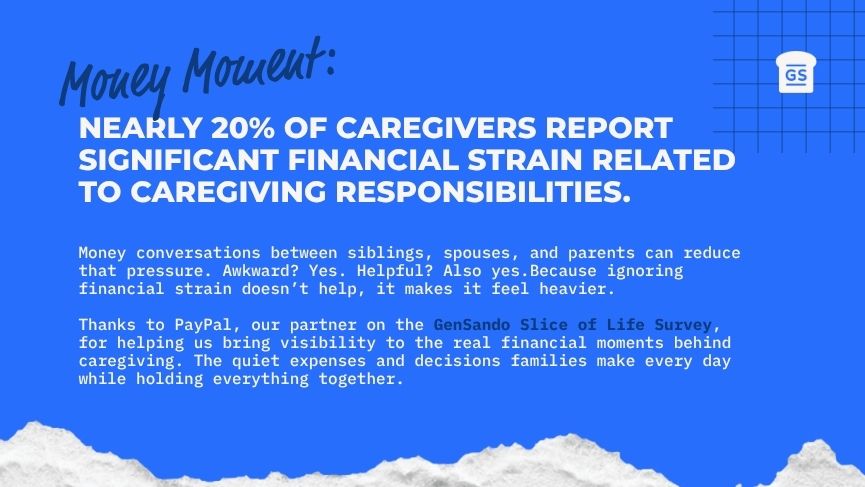
Glossary Schmossary
Need help figuring out what all these words mean? Midlife comes with a lot of new responsibilities, and a surprising amount of impact management.
Think of this as your caregiving equipment guide.
Laugh Line
Some days it feels like I’m one group text away from opening a small support hotline.
Life Line
Sharing even one responsibility can keep the whole system standing.
The Fine Print of Midlife
- Emily Nagoski, Ph.D Burnout Book
- AARP-NAC Report Finds 45% Increase in Americans Providing Care
- NCCDP Family Caregiver Strain And The “Hidden Economy” Of Care
Sometimes midlife is just a careful game of Kerplunk. A few marbles will fall.
Spotlight






SUBSCRIBE TO
GenSando
Delivered weekly.