.svg)

Sandwich Generation Shut-Eye: How to Catch Z’s When Life Won’t Let You
Editor’s Note from MILF & Silver Fox
MILF: Remember when “pulling an all-nighter” meant fun? Now it just means your bladder woke you up at 3 AM. (and then at 4 and then at 5, and now might as well stay up.)
Silver Fox: And the only thing I’m pulling at 3 AM is the weighted blanket over my face.
Welcome to the art and science of getting your life back, one precious hour of sleep at a time. We’re diving deep into the science of shut-eye for the Sandwich Generation, because you deserve rest as much as you deserve that third cup of coffee.
— MILF & Silver Fox
The Great Sleep Shortage of Midlife
You know that moment when you finally hit the pillow and your brain decides it’s time to review every poor life choice you’ve made since 1987? You’re not alone. Research shows midlife crisis also affects your sleep schedule, with many Sandwichers getting less than the recommended 7–9 hours of nightly rest.
And it’s not just about quantity. Longitudinal SWAN research shows that sleep continuity problems rise across the menopausal transition. Men aren’t off the hook; lower testosterone and higher cortisol in midlife are linked to restless nights and more 3 AM ceiling-staring contests.
What’s stealing your Z’s:
- Your teenager’s emotional crisis at bedtime (always bedtime)
- Mom calling because she can’t find the remote (it’s in the fridge)
- Work emails that multiply like rabbits after midnight
- That fun combo of perimenopause and existential dread
- Dad’s medical-appointment calendar that rivals a Fortune 500 CEO’s

The Caffeine Catch-22
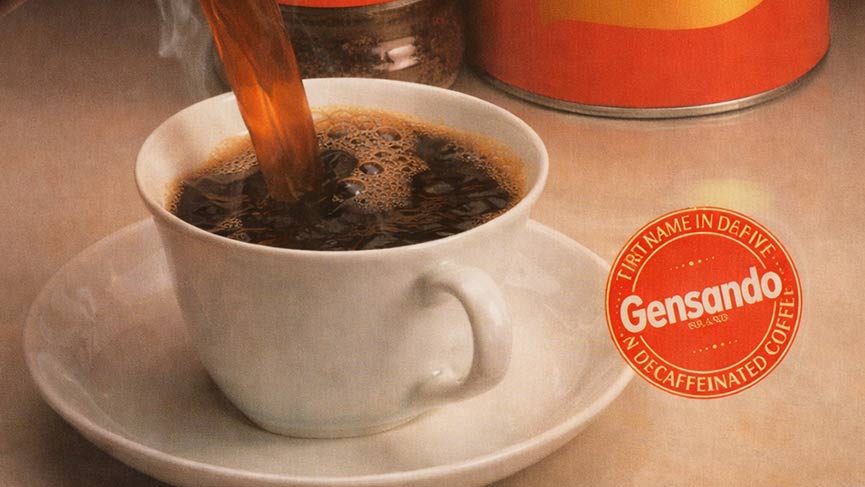
You need coffee to function, but caffeine can disrupt sleep up to six hours after your last cup. So that 4 PM “survive-carpool” latte? It’s still partying while you’re trying to wind down.
Sweet spot: Cut caffeine by 2 PM. Swap in herbal tea… or accept that some days you’ll be tired. Revolutionary, I know.
The Hormone Hurricane
Ladies: Perimenopause and menopause are menaces to a peaceful night. Hormonal shifts are tightly linked to disrupted sleep and night sweats.
Men: You’re not immune. Testosterone trends down, stress hormones trend up, and hello, ceiling-staring club. Understanding the patterns helps you work with them instead of fighting the tide.
Sleep Hygiene That Actually Works (No Bubble Baths Required)
The 10-Minute Wind-Down: Timer on. Phone charges in another room. Do one boring task (Think fold laundry). Your brain needs a downshift.
Temperature Control: Keep the bedroom around 65–68 °F. Your body needs a slight core-temperature drop to fall asleep. That fluffy winter comforter in July? Not helping.
The Worry Dump: Notebook by the bed. When your brain starts the 3 AM variety show, write it down. You can handle everything tomorrow.
Progressive Muscle Relaxation: From toes upward: tense for five seconds, release. By the time you hit shoulders, you’re calmer (or asleep). It’s clinically shown to reduce stress and improve sleep quality.
The Power of Strategic Napping
Science backs the 20-minute power nap between 1–3 PM. Any longer and you risk groggy time travel. NASA’s classic study found a 26-minute nap improved alertness by 54 percent. Can’t sleep? Ten minutes horizontal with eyes closed still helps. Call it “horizontal meditation.”
Laugh Line
My sleep app keeps asking if I “had caffeine after noon.” Yes. Also after 3, 5, and 7. Mind your business, Fitbit.
Life Line
If tonight’s sleep flops, don’t spiral. Try again tomorrow with less caffeine and more grace.
No Joke… Look It Up
The first CPAP machine was invented in 1981 using a vacuum cleaner motor, a hose, and tape, by an Australian scientist trying to stop dogs from snoring.
So the next time you’re strapping one on, just remember: you’re basically sleeping with a glorified Dyson prototype.
Glossary Schmossary
Need help translating the jargon? Your decoder ring straight from the cereal box of midlife awaits:
Proof We’re Not Making This Up
- CDC: How Much Sleep Do Adults Need?
- SWAN Study: Effects of Sleep Problems During Menopause
- NIH Review: Sleep, Aging & Men’s Health
- Drake et al. (2013): Caffeine Timing and Sleep Disruption
- Sleep Foundation: Best Temperature for Sleep
- NASA Study: 26-Minute Power Nap Boosts Alertness
- AARP: The Midlife Sleep Crisis
- American Psychological Association: Laughter and Well-Being
P.S. from MILF & Silver Fox
We see you, we get you, and we’re right here with you.
Now go reheat your coffee… again.
Spotlight





SUBSCRIBE TO
GenSando
Delivered weekly.