.svg)

GenSando Q&A: Jeff Raider on Normalizing Men’s Mental Health
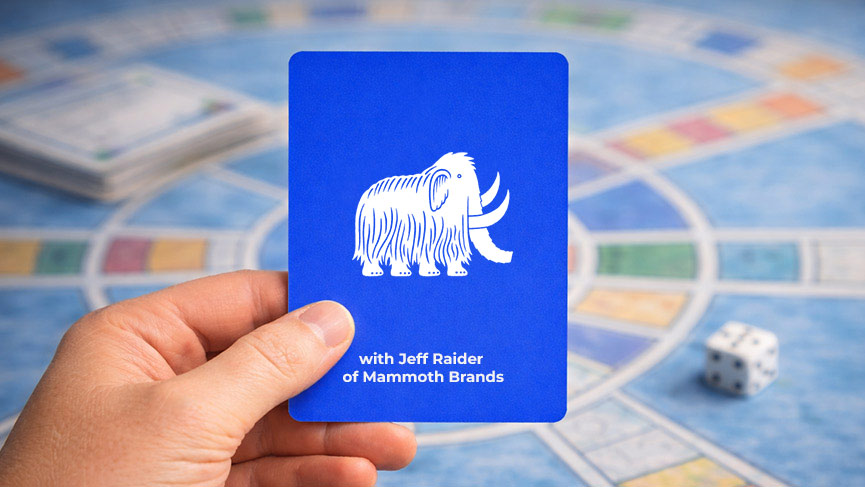
The Mammoth Brands Co-CEO and Co-Founder on building mental health into the heart of business and culture.
You’ve helped build brands like Harry's reach millions of men. How did men’s mental health become front and center for you personally and professionally, and when did you realize your work and brands could play a real role here?
When we started Harry’s back in 2013, we knew social impact had to be built-in from day one. At Warby Parker, we used a 1:1 model, but donating a razor just didn’t feel like it would change a life the same way a pair of glasses does, so we decided to donate 1% of sales to non profits.
After donating to a range of causes, we eventually landed on our focus on men’s mental health by, first and foremost, listening to our customers. Our CX team noticed that guys weren’t just reaching out to talk about shaving or grooming routines; they were opening up about their lives and it felt like they just needed someone to talk to.
As we dug into the research, and spoke to our nonprofit partners serving men, the stats were a wake-up call. Men are 4x more likely to die by suicide and while most men agree mental health is a crisis, less than 30% actually seek professional health. As a brand with a direct line to guys (today tens of millions of them), we realized we had an opportunity and a duty to help guys access the care they need. Today, we’ve incredibly proud to have donated over $20M and connected over 2M men to care.
As men age, the pressures change—work, identity, relationships, caregiving, health. What have you learned about how topics such as stress, shame, or isolation show up differently for men over time?
Over the years, we’ve learned how important it is to reduce the barriers men face in accessing care, and ensuring that the care they receive is culturally competent, meaning it's tailored to their identity, values, behaviors. That’s why we work with nonprofits that have become experts in communicating with their audience, be it veterans, LGBTQ+ youth, or the Black community.
What we know to be consistent across all men is that they wait to deal with their mental health. Studies show that while half of all mental health challenges start by age 14, it takes over 10 years on average for most guys to seek or access health. For young men of color, that gap is even wider. It’s crucial that these issues are addressed as early as possible, which is why investing in mental health responses for young men and boys is so pressing.
Men’s mental health is often framed around crisis...burnout, addiction, or breaking points. How can brands help normalize mental wellbeing for men in small, everyday, practical ways—before things hit a breaking point?
We’re in constant conversation with our customers and they appreciate the approachability and fun we bring to our brand. That relationship gives us a sort of "permission" to bring up topics like mental health in a way that feels natural, rather than forced. It doesn’t all have to be doom and gloom. We can have these conversations with some levity, which makes it easier for men to engage with us in ways they might not with other brands.
We’ve found that the best way to get guys moving is to meet them exactly where they already are. During the pandemic, we put a crisis text line right at the top of our homepage, and traffic spiked 600% overnight. We also sent out a simple mental health screening that over 3,000 men filled out just to get a pulse on how they were doing. Our #GotYour6 campaign, which invited guys to film six reps of an exercise in exchange for a donation, allowed us to take a heavy topic like veteran suicide prevention and turn it into an energizing, community-building moment. By keeping it simple and active, we made a tough conversation feel approachable rather than intimidating, and donated $300,000 in the process.
You’ve talked about embedding values into how the company operates. How are you incorporating men’s mental health into the DNA of the culture and company... what specific projects or initiatives are you most proud of supporting?
When we took on the cause of mental health, we knew we had to walk the talk internally, too. Our team really appreciates our “Golden Time” policy, which lets them block protected time on their calendars for whatever they need—whether it’s therapy, caregiving, or just parenting. We also created mental health guides to help our team navigate benefits and find the best care.
One project I'm especially proud of is our mental health response training. We adapted it from Team: Changing Minds, an initiative we support through a joint partnership with Futures Without Violence, The National Council for Mental Wellbeing and Big Brothers, Big Sisters. So far, 25% of our team has completed the training, officially making us a “responder-ready” workplace. Some employees have even gone a step further and gotten certified in Mental Health First Aid. These skills don't just create a supportive workplace, they give our people tools they can use in their lives outside of work, too.
For our GenSando audience—many of whom are juggling work, family, aging parents, and their own health—what’s your call to action? Any tools or resources you've discovered? Or organizations doing great work everyone should be aware of?
I always tell people to ask people in their lives how they're doing. And then, after they answer, ask them how they're really doing. From a leadership perspective, one of the best ways to be supportive is by being open about challenges—whether it’s anxiety during a tough business cycle or disappointment when a project doesn’t go to plan. Acknowledging those instances goes a long way in creating a safe space for everyone else.
I’d also say don’t wait when it comes to your mental health. The first step is as easy as a 5-minute mental health screener from our partners at Mental Health America.
Enjoyed this article? Join the GenSando family.
👆🏼 Subscribe to our newsletter for relatable stories, helpful tools, and a community that truly gets it.
Spotlight


SUBSCRIBE TO
GenSando
Delivered weekly.